
What Is the Difference Between Fog Nozzle and Jet Nozzle?
Leave a message
In modern fire protection systems, the fire fighting nozzle is one of the most critical tools for controlling and extinguishing fires. Whether used in municipal fire brigades, industrial facilities, or building fire protection systems, the type of nozzle selected can significantly affect firefighting efficiency, water usage, and overall safety.
Among the various types available, fog nozzles and jet nozzles (also known as smooth bore nozzles) are the two most widely used. Although both are designed to discharge water, they operate in very different ways and are suited to different fire scenarios. Understanding the differences between these two nozzle types is essential for engineers, contractors, and fire safety professionals when designing or selecting fire protection equipment.
What Is a Jet Nozzle?
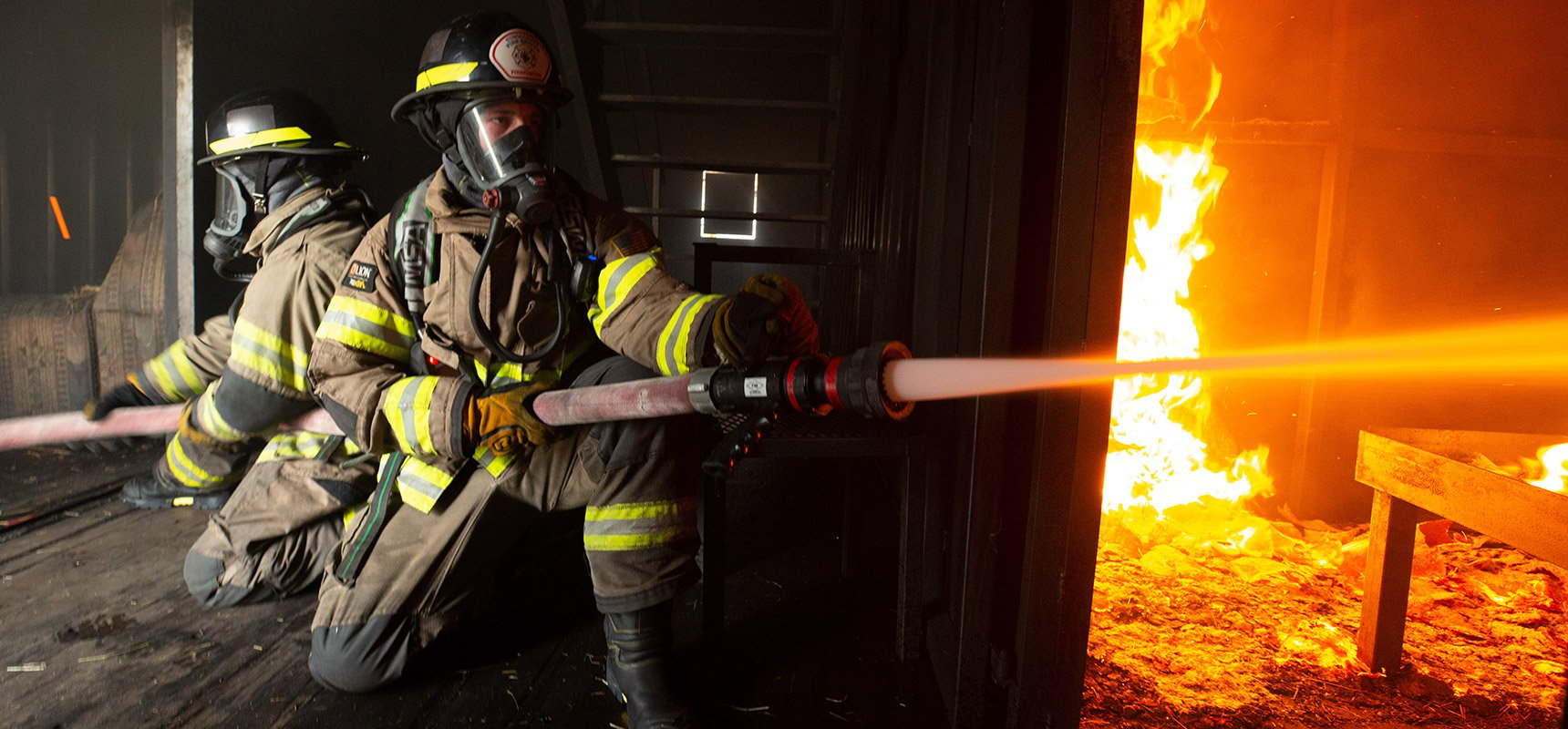
A jet nozzle, commonly referred to as a smooth bore nozzle, is designed to produce a solid, straight stream of water. This type of nozzle has a simple construction with a smooth internal passage, allowing water to flow with minimal turbulence and energy loss.
Because of this design, jet nozzles can deliver water over long distances with high impact force. The stream remains compact and stable, making it highly effective for reaching fires that are far away or located in open areas. In addition, jet nozzles are less sensitive to pressure fluctuations, which helps maintain consistent performance even in varying system conditions.
Jet nozzles are widely used in:
Outdoor firefighting operations
Industrial facilities such as oil & gas plants
Large warehouses and storage yards
Situations requiring deep fire penetration
What Is a Fog Nozzle?
A fog nozzle is designed to break water into fine droplets, creating a spray pattern that can range from a narrow cone to a wide fog. This is achieved through internal components that introduce turbulence and mix water with air.
The resulting mist significantly increases the surface area of water, allowing it to absorb heat more quickly and evaporate faster. This makes fog nozzles particularly effective for cooling hot gases, reducing fire temperature, and controlling smoke movement.
Most fog nozzles are adjustable, enabling users to switch between:
Straight stream
Narrow fog
Wide fog (protective curtain)
Fog nozzles are commonly used in:
Structural firefighting
Enclosed environments such as buildings and tunnels
Firefighter protection from radiant heat
Situations requiring ventilation and smoke control
Key Differences Between Fog Nozzle and Jet Nozzle
Spray Pattern
The primary difference lies in how water is discharged.
A jet nozzle produces a solid, concentrated stream, which is ideal for long-distance reach and direct fire attack.
A fog nozzle produces a dispersed spray or mist, covering a wider area and enhancing heat absorption.
Firefighting Effectiveness
Jet nozzles are highly effective for penetrating deep-seated fires, as the strong stream can reach the core of the flames. This makes them suitable for heavy fire loads and outdoor conditions.
Fog nozzles, in contrast, are optimized for cooling and heat reduction. The fine droplets evaporate quickly, removing heat energy and helping to prevent flashover in enclosed spaces.
Application Environment
Jet nozzles are best suited for:
Open environments
Long-range firefighting
High-impact fire suppression
Fog nozzles are more suitable for:
Indoor firefighting
Confined or hazardous environments
Situations requiring temperature control and visibility improvement
Water Efficiency
Fog nozzles are generally more water-efficient because they maximize evaporation and heat absorption. This can be especially important in areas with limited water supply.
Jet nozzles, while less efficient in terms of evaporation, provide maximum impact force, which is necessary for certain types of fires.
Flexibility and Control
Fog nozzles offer greater flexibility due to their adjustable spray patterns. Firefighters can quickly adapt to changing fire conditions by altering the spray angle.
Jet nozzles have a simpler design and provide a consistent and stable flow, making them reliable and easy to maintain.
Safety Considerations
Fog nozzles can enhance firefighter safety by creating a water curtain that shields against radiant heat and helps disperse smoke. This is especially important in interior firefighting operations.
Jet nozzles, while powerful, do not provide the same level of thermal protection but are crucial for attacking the fire from a safe distance.
When to Use Fog Nozzle vs Jet Nozzle
Choosing between a fog nozzle and a jet nozzle depends on the specific firefighting scenario.
A jet nozzle should be used when:
The fire is located at a distance
Strong penetration is required
The environment is open and unobstructed
A fog nozzle is preferred when:
Fire occurs in enclosed spaces
Heat and smoke need to be controlled
Firefighter protection is a priority
In many real-world applications, both nozzle types are used together to achieve the best results. For example, a jet nozzle may be used for initial fire attack, while a fog nozzle is used for cooling and protection.
Importance of Proper Nozzle Selection
Selecting the correct fire fighting nozzle is not just a matter of preference-it directly impacts firefighting efficiency, water consumption, and operational safety. Engineers and procurement professionals must consider factors such as:
Flow rate and pressure
Fire type and environment
System compatibility
Operational requirements
Proper nozzle selection ensures that fire protection systems perform effectively under emergency conditions.
Conclusion
Both fog nozzles and jet nozzles play essential roles in modern fire protection systems. Jet nozzles provide powerful, long-range streams for direct fire attack, while fog nozzles offer superior cooling, flexibility, and safety in enclosed environments.
Understanding their differences allows fire safety professionals to make informed decisions and design more effective fire suppression strategies. In many cases, combining both types of nozzles delivers the best overall performance.
If you are looking for high-quality fire fighting nozzles for industrial or commercial fire protection projects, CA-FIRE offers reliable and durable solutions designed to meet international standards.
🌐 Website: www.cafire-119.com
📧 Email: miki@ca-fire.com
📱 WhatsApp: +86 18160950625


