
What is the difference between AFFF 3% and AFFF 6%?
Leave a message
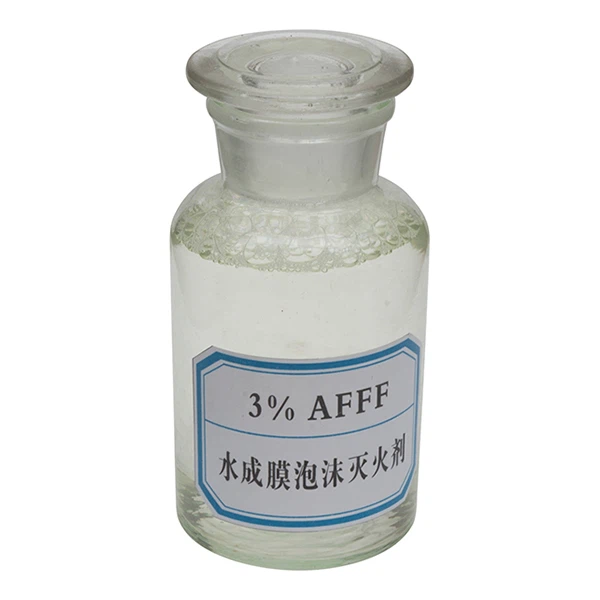
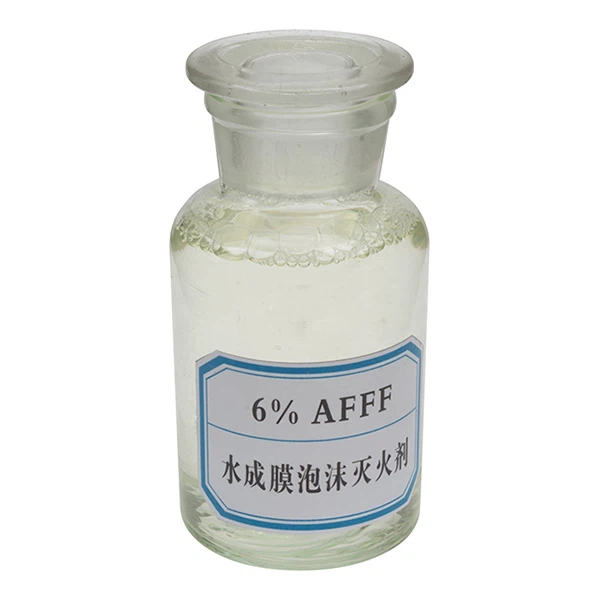
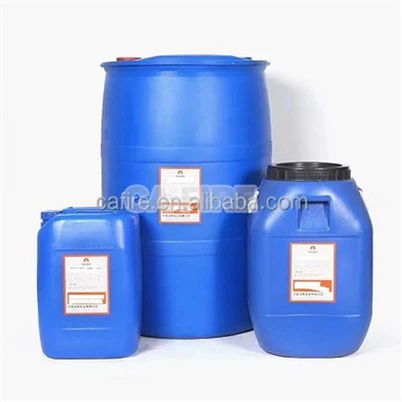
Aqueous Film Forming Foam (AFFF) is a fire fighting foam concentrate that is widely used by firefighters to extinguish fires. AFFF is a highly effective foam that contains a mixture of water, chemicals and a foaming agent. When applied to a fire, AFFF forms a thick blanket of foam that covers the fuel and cuts off the oxygen supply, thus suppressing the fire. There are two types of AFFF concentrates that are commonly used – AFFF 3% and AFFF 6%.
The main difference between AFFF 3% and AFFF 6% lies in their concentration levels. AFFF 3% contains 3% water-soluble fluorochemicals, while AFFF 6% contains 6% of these chemicals. The water-soluble fluorochemicals in AFFF 3% and AFFF 6% are designed to reduce the surface tension of water, and thus help the foam to spread easily and evenly over the fuel surface.
One of the primary advantages of using AFFF 6% over AFFF 3% is that it offers a higher level of fire suppression capability due to its higher concentration levels. AFFF 6% is generally preferred for use on hydrocarbon fires, such as fires that involve gasoline, jet fuel, and diesel fuel. In contrast, AFFF 3% is generally used for fires involving polar solvents, such as alcohols, ketones, and esters.
Another key difference between AFFF 3% and AFFF 6% is their application rates. The application rate for AFFF 6% is typically lower than that for AFFF 3%, as a smaller amount of the concentrate is required to achieve the same level of fire suppression. The exact application rate will vary depending on the type and size of the fire, as well as the specific foam application equipment being used.
In addition to these differences, there are also some similarities between AFFF 3% and AFFF 6%. Both types of foam concentrate are highly effective and can be used in a wide range of fire suppression scenarios. They are also both resistant to the effects of heat and can provide excellent burnback resistance.
In summary, the main difference between AFFF 3% and AFFF 6% lies in their concentration levels and the types of fires they are best suited for. AFFF 6% is generally preferred for hydrocarbon fuel fires, while AFFF 3% is better suited for polar solvent fires. Selecting the appropriate AFFF concentrate for use in a specific fire suppression scenario is important to ensure the most effective response and best chances for extinguishing the fire.
active members
years experience
events & challenges
expert instructors