

Wet Barrel vs. Dry Barrel Fire Hydrants: Key Differences
Leave a message

Wet barrel and dry barrel fire hydrants are designed for different installation environments. For fire equipment buyers, understanding how each type operates, its freezing risk and maintenance requirements helps determine which hydrant is suitable for a project.
What Is a Wet Barrel Fire Hydrant?

A wet barrel fire hydrant has water inside the barrel under normal operating conditions. Each outlet typically has its own valve, allowing users to open or close individual outlets independently.
Wet barrel hydrants are commonly used in regions where freezing temperatures are not a major concern. Their design allows direct access to water at the outlets, making operation relatively straightforward.
What Is a Dry Barrel Fire Hydrant?
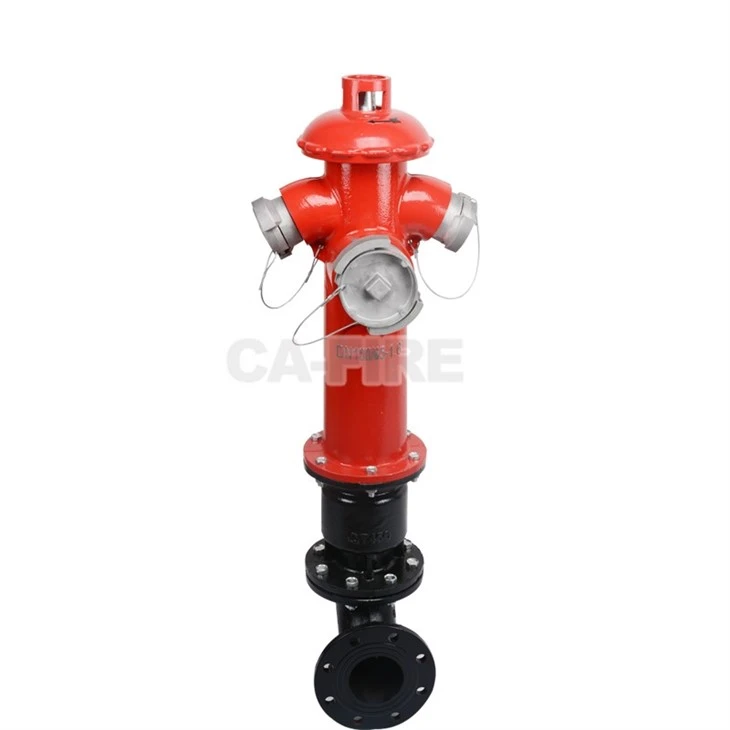
A dry barrel fire hydrant is designed for areas where freezing temperatures may occur. When the hydrant is closed, water remains below the main valve, while the upper barrel is normally drained.
When the hydrant is opened, water flows into the barrel and out through the outlets. After the hydrant is closed, the drainage mechanism helps remove water from the barrel to reduce the risk of freezing.
Key Differences Between Wet and Dry Barrel Hydrants
|
Feature |
Wet Barrel Hydrant |
Dry Barrel Hydrant |
|---|---|---|
|
Barrel condition |
Normally filled with water |
Normally drained above the main valve |
|
Valve arrangement |
Typically individual outlet valves |
Typically one main valve |
|
Typical application |
Non-freezing climates |
Freezing climates |
|
Outlet operation |
Outlets can operate independently |
Controlled by the main valve |
|
Main consideration |
Outlet valves and seals |
Main valve and drainage mechanism |
How to Choose the Right Fire Hydrant
The choice between wet and dry barrel hydrants mainly depends on the local climate and project requirements. Buyers should also confirm the following specifications:
Nominal diameter: Check the required hydrant size and inlet connection.
Outlet configuration: Confirm the number, size and type of outlets.
Working pressure: Match the hydrant pressure rating to the fire water supply.
Material and coating: Consider corrosion resistance and site conditions.
Applicable standards: Confirm local project and regulatory requirements.
Maintenance access: Check whether valves, seals and drainage components can be inspected and serviced.
Conclusion
Wet barrel hydrants are generally used in non-freezing environments, while dry barrel hydrants are designed to reduce freezing risks in colder regions. Before purchasing, confirm the installation climate, connection dimensions, pressure rating, outlet arrangement and applicable standards to ensure the selected hydrant meets project requirements.


