

Top 10 Fire Protection Systems for Industrial Facilities
Leave a message
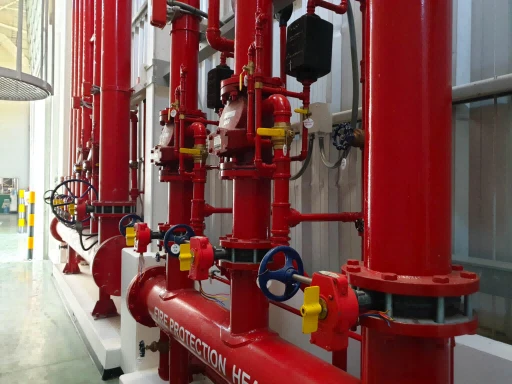
Industrial facilities face higher fire risks due to complex processes, flammable materials, high electrical loads, and continuous operations. Selecting the right fire protection systems is critical not only for asset protection, but also for personnel safety, regulatory compliance, and business continuity.
Below are the top 10 fire protection systems commonly used in industrial facilities worldwide.
1. Automatic Fire Sprinkler Systems
Automatic sprinkler systems are the backbone of industrial fire protection. They activate individually when exposed to heat, providing fast and localized fire suppression.
Common types include:
Wet pipe systems (most widely used)
Dry pipe systems (for cold environments)
Pre-action systems (for high-value assets)
Deluge systems (for high-hazard areas)
Key benefits:
✔ Reliable and automatic
✔ Proven fire control performance
✔ FM / UL approved solutions available
2. Fire Hydrant Systems
Fire hydrant systems provide a high-volume water supply for manual firefighting by trained personnel or fire brigades.
Typical components:
Outdoor & indoor hydrants
Fire pumps
Hose reels and landing valves
Applications:
Warehouses, factories, petrochemical plants, power stations
3. Fire Hose Reel Systems
Fire hose reels allow quick first-response firefighting before a fire spreads.
Advantages:
✔ Easy to operate
✔ Continuous water supply
✔ Ideal for Class A fires
Often installed in combination with hydrant or sprinkler systems.
4. Foam Fire Suppression Systems
Foam systems are essential for facilities handling flammable liquids.
Common applications:
Oil & gas facilities
Chemical plants
Fuel storage areas
Aircraft hangars
Foam types include:
AFFF
AR-AFFF
High-expansion foam
Foam systems suppress fires by cooling and forming a vapor-sealing blanket.
5. Fire Detection and Alarm Systems
Early detection is crucial in industrial environments.
System components:
Smoke detectors
Heat detectors
Flame detectors
Manual call points
Fire alarm control panels
These systems provide early warning and activate suppression systems automatically.
6. Gas Fire Suppression Systems
Clean agent gas systems are used where water damage must be avoided.
Common agents:
FM-200
Novec 1230
CO₂ (for unoccupied areas)
Suitable for:
Data centers
Control rooms
Electrical rooms
Turbine enclosures
7. Fire Pumps and Water Supply Systems
Fire pumps ensure adequate pressure and flow for fire protection systems.
Types of fire pumps:
Electric motor-driven pumps
Diesel engine-driven pumps
Jockey pumps
Fire pumps are critical for system reliability and compliance with NFPA standards.
8. Fire Valves and Control Valves
Fire protection valves control, isolate, and regulate water flow within the system.
Common valve types:
Gate valves
Butterfly valves
Check valves
Alarm valves
Pressure reducing valves
High-quality valves ensure system stability and rapid response during emergencies.
9. Portable Fire Extinguishers
Portable extinguishers provide immediate manual fire suppression.
Common classes:
ABC dry powder
CO₂
Foam
Water
They are mandatory safety equipment and serve as the first line of defense.
10. Passive Fire Protection Systems
Passive systems do not extinguish fire but help contain it and protect structural integrity.
Examples include:
Fire-rated walls and doors
Fireproof coatings
Cable fire protection
Firestopping materials
These systems play a critical role in limiting fire spread and evacuation safety.
Conclusion
A comprehensive fire protection strategy for industrial facilities requires multiple systems working together-detection, suppression, water supply, control, and passive protection. The selection should be based on:
Fire risk assessment
Industry standards (NFPA, FM, EN)
Facility layout and operations
Regulatory requirements
Investing in certified, high-quality fire protection systems significantly reduces fire-related losses and ensures long-term operational safety.


