

How to Properly Inspect Your Hydrant Valves, Hoses, and Pressure
Leave a message
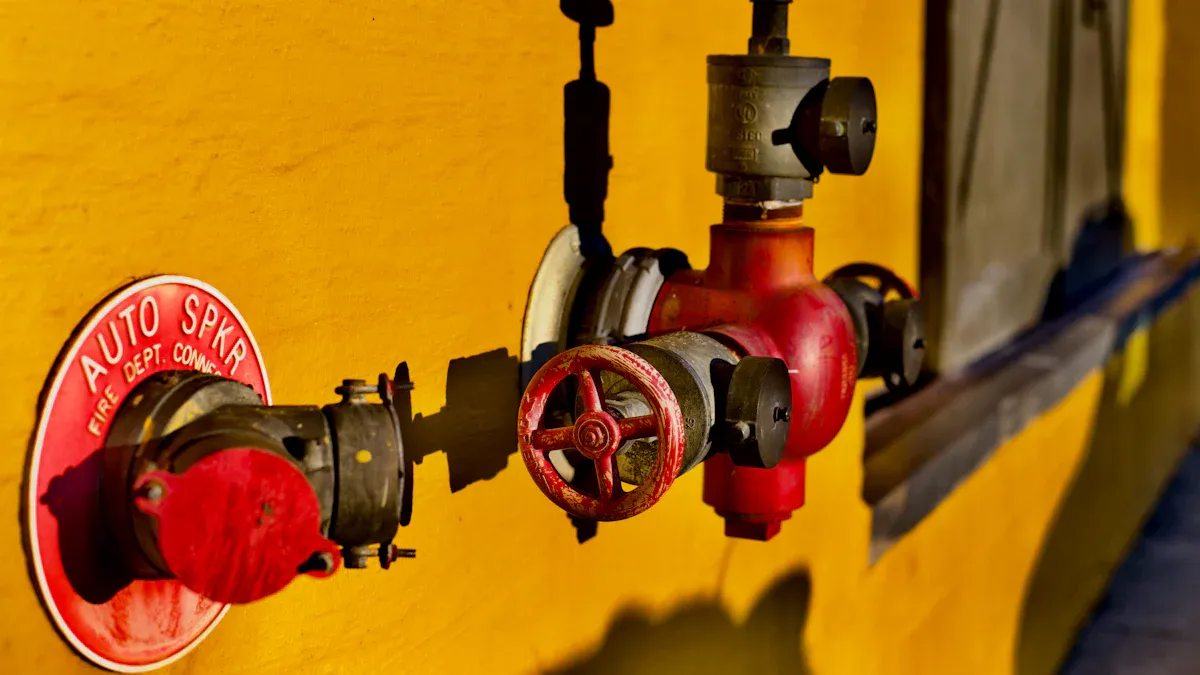
Regular inspection of fire hydrant systems is essential to ensure reliable performance during emergencies. The process begins with a thorough visual check of the hydrant valves. Inspect for any visible damage, corrosion, or leaks, and ensure all valve caps are secure. Proper valve operation is critical-open and close the valve slowly to verify smooth movement without obstruction.
Next, examine the hoses for signs of wear, cracks, or mildew. Ensure that coupling threads are intact and that hoses are properly stored on racks to prevent kinks or deformation. Periodically, perform a test by connecting hoses and running water through them to check for leaks and adequate flow.
Hydrant pressure is another key factor. Measure the static and residual pressures using a calibrated gauge, and compare the readings to the system's design specifications. Low pressure or fluctuations may indicate blockages, closed valves, or pump issues that need immediate attention.
Document all findings in a maintenance log and address any deficiencies promptly. Regular inspection not only ensures compliance with safety standards but also provides confidence that the hydrant system will perform effectively when needed, protecting property and lives.


