

How Often Does Fire Equipment Need to Be Checked?
Leave a message
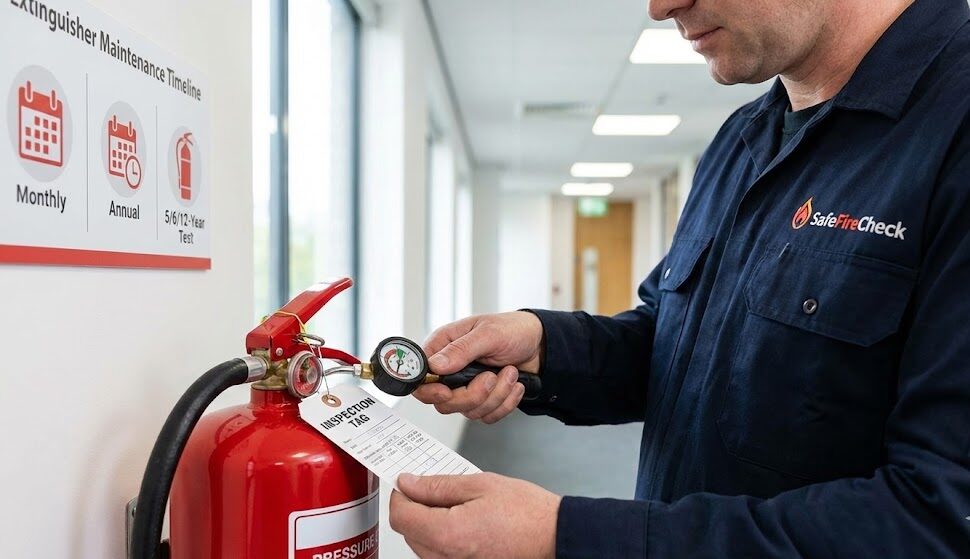
Fire protection equipment must be inspected, tested, and maintained on a regular schedule to ensure it functions properly during an emergency. Inspection frequency depends on the equipment type, building risk level, and applicable standards such as those issued by the National Fire Protection Association (NFPA). Below is a detailed guide to inspection intervals and best practices for different types of fire equipment.
Why Regular Fire Equipment Inspections Are Essential
Fire equipment is often left unused for long periods. Without regular checks, components may deteriorate, corrode, lose pressure, or become obstructed. Routine inspections help to:
Detect mechanical damage or tampering
Identify pressure loss or leaks
Ensure valves remain in the correct open position
Prevent blockages in pipelines or nozzles
Maintain compliance with fire codes and insurance policies
In many regions, failure to maintain fire equipment can result in penalties, legal liability, or denied insurance claims. More importantly, poorly maintained systems may fail when they are needed most.
Fire Extinguisher Inspection Frequency
Fire extinguishers are one of the most common and critical first-response firefighting tools. Their maintenance schedule is clearly defined in standards such as NFPA 10.
Monthly Visual Inspection
A responsible person should perform a visual inspection every month. This check ensures:
The extinguisher is located in its designated place
Access is not blocked by equipment or storage
The pressure gauge needle is in the operable (green) range
The safety pin and tamper seal are intact
No visible signs of corrosion, leakage, or physical damage
The inspection should be documented with a date and signature tag.
Annual Professional Maintenance
Once per year, a certified technician should conduct a comprehensive inspection, including:
Internal examination (if required)
Mechanical parts testing
Agent weight verification
Replacement of worn components
This ensures the extinguisher will discharge properly.
Hydrostatic Testing
Hydrostatic testing checks cylinder strength and structural integrity:
Every 5 years for most water and CO₂ extinguishers
Every 12 years for certain dry chemical types
This test prevents cylinder rupture under pressure.
Fire Sprinkler System Inspection Schedule
Automatic fire sprinkler systems are designed to activate without human intervention. Because of this, regular inspection is critical.
Weekly or Monthly Checks
For facilities with control valves and fire pumps, weekly or monthly inspections may include:
Verifying control valves are fully open and sealed
Checking pressure gauges for normal readings
Inspecting alarm valve trim for leaks
These checks confirm the system is ready for operation.
Quarterly Inspections
Quarterly inspections typically involve:
Testing water flow alarms
Inspecting supervisory switches
Checking hydraulic nameplates for legibility
This ensures alarm transmission systems function correctly.
Annual Inspection and Testing
At least once per year:
Random sprinkler heads should be inspected for corrosion, paint, or obstruction
Piping systems should be examined for leaks or mechanical damage
Main drain tests should be performed to verify water supply performance
In high-hazard environments such as warehouses or industrial facilities, more frequent inspections may be required.
Fire Hydrant Inspection Requirements
Fire hydrants must provide immediate and reliable water supply to firefighters. Both wet-barrel and dry-barrel hydrants require structured maintenance.
Monthly Visual Inspection
Monthly checks should verify:
No physical damage or vandalism
Caps are present and threads are protected
Hydrant remains clearly visible and accessible
No water leakage around the base
Obstructed hydrants can delay firefighting operations significantly.
Semi-Annual Maintenance
Every six months:
Lubricate operating nuts and stems
Remove and inspect caps
Check gasket condition
Confirm proper drainage (for dry barrel hydrants)
This prevents internal corrosion and freezing damage.
Annual Flow and Pressure Testing
Annual testing should include:
Measuring static and residual pressure
Conducting flow tests to verify discharge capacity
Inspecting internal valve condition
Flow testing ensures the hydrant can deliver adequate water volume during emergencies.
Fire Alarm System Maintenance
Fire alarm systems provide early warning and must remain fully operational at all times.
Weekly Control Panel Check
Verify no fault signals are present
Ensure power supply indicators are normal
Check communication with monitoring stations
Monthly Testing
Test manual call points (rotational basis)
Inspect backup batteries for charge level
Verify sounders and visual alarms operate correctly
Quarterly or Semi-Annual Testing
Smoke and heat detectors functional testing
Sensitivity testing for smoke detectors
Inspection of wiring and connections
Annual Full System Test
A complete annual inspection includes:
Testing every detection device
Verifying alarm transmission
Inspecting control panels and interface modules
Documentation of all tests is essential for compliance.
Fire Hose and Hose Reel Inspection Frequency
Fire hoses and reels must be ready for immediate use.
Monthly Inspection
Ensure hose is properly rolled
Check for cracks, wear, or mildew
Confirm nozzle operates smoothly
Verify water supply valve is functional
Annual Pressure Testing
Conduct pressure testing to rated working pressure
Inspect couplings and gaskets
Replace damaged sections if necessary
Damaged hoses can burst under pressure, posing safety risks.


.webp "info-1-1")
Fire Equipment Inspection Schedule Overview
| Equipment | Visual Check | Functional Test | Professional Service |
|---|---|---|---|
| Fire Extinguishers | Monthly | Annually | Annual + Hydro Test |
| Sprinkler Systems | Monthly | Quarterly | Annual |
| Fire Hydrants | Monthly | Annual Flow | Annual |
| Fire Alarms | Weekly/Monthly | Quarterly | Annual |
| Fire Hoses | Monthly | Annual Pressure | Annual |
Standards and Compliance Considerations
Inspection frequency may vary depending on national or regional regulations. Widely referenced standards include:
National Fire Protection Association (NFPA 10 – Extinguishers, NFPA 13 – Sprinklers, NFPA 25 – Water-Based Systems, NFPA 72 – Fire Alarms)
Local fire authority requirements
Insurance and building code regulations
Always consult certified fire protection professionals to determine the correct schedule for your facility type.
Conclusion
So, how often does fire equipment need to be checked?
Most fire equipment requires monthly visual inspections, quarterly functional testing, and annual professional maintenance. Additional pressure or structural testing is required at longer intervals depending on equipment type.
Establishing a documented inspection plan not only ensures regulatory compliance but also guarantees that your fire protection systems will perform effectively when lives and property depend on them.
Contact Us
If you need reliable fire protection equipment or technical support, contact:
CA-FIRE
🌐 Website: www.cafire-119.com
📧 Email: miki@ca-fire.com
📱 WhatsApp: +86 18160950625
CA-FIRE provides professional fire protection solutions for global projects, including hydrants, valves, sprinklers, and complete fire safety systems.


