

How Obstructions Block Proper Sprinkler Discharge
Leave a message
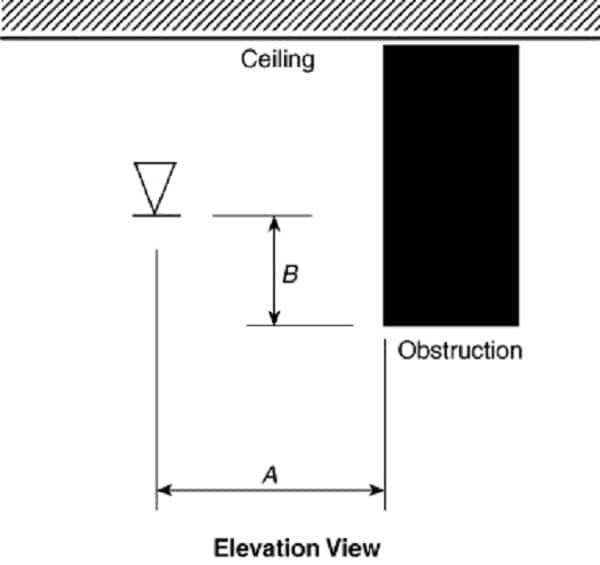
Fire sprinklers are engineered to distribute water in a precise spray pattern to control or suppress fires quickly. Their effectiveness, however, depends entirely on having a clear, unobstructed discharge area. Objects such as structural beams, lighting fixtures, HVAC ducts, cable trays, storage racks, or hanging decorations can block or deflect water, creating "shadowed" zones where fire suppression is inadequate. Even small obstructions near a sprinkler head can significantly alter the spray pattern, reducing coverage and water density in critical areas.
When a sprinkler activates, water strikes the deflector, breaking into droplets and angles tested under NFPA or FM standards. If the path is obstructed, water is diverted sideways, falls unevenly, or fails to reach the lower levels of the space. In warehouses or industrial facilities, this often occurs when inventory is stacked too close to sprinklers, or when new equipment or structures interfere with the spray. These dry zones allow fire to continue spreading while other areas are over-saturated, increasing water demand without effectively controlling the flames.
Standards such as NFPA 13 require minimum clearances, typically at least 18 inches below sprinklers, with ESFR sprinklers requiring stricter obstruction-free zones due to their high-velocity discharge. Maintaining proper clearance ensures full coverage and adequate discharge density, allowing the sprinkler system to function as designed. Regular inspections, careful inventory placement, and awareness of potential obstructions are essential to prevent interference. Even FM/UL-certified sprinklers cannot perform effectively if their discharge is blocked, making obstruction management a critical component of fire protection.


