

How Do Fire Sprinkler Valves Work? A Complete Guide
Leave a message
Fire sprinkler valves are critical components of automatic fire sprinkler systems. They control water flow, activate alarms, and ensure water is delivered quickly and reliably during a fire. Understanding how fire sprinkler valves work helps contractors, engineers, and facility managers design, install, and maintain effective fire protection systems.
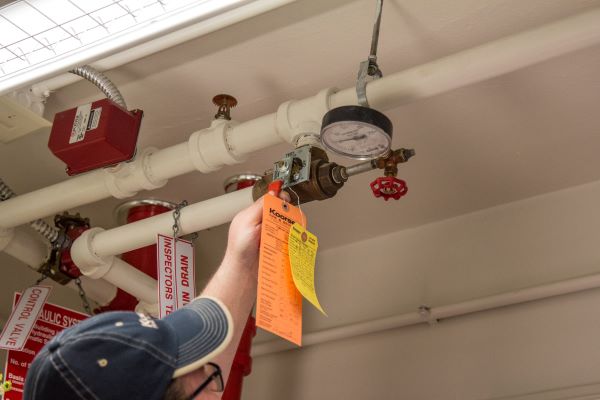
What Is a Fire Sprinkler Valve?
A fire sprinkler valve is a control device installed in a sprinkler system to regulate the flow of water into the piping network. Under normal conditions, the valve remains closed or sealed. When a fire occurs and a sprinkler head activates, the valve opens automatically, allowing water to flow to the affected area.
Different types of sprinkler systems use different valves depending on environmental conditions and fire risks.
Main Types of Fire Sprinkler Valves
1. Wet Alarm Valve
Used in wet pipe sprinkler systems, where pipes are constantly filled with water. The wet alarm valve opens when water begins flowing due to sprinkler activation and simultaneously triggers a mechanical or electrical alarm.
2. Dry Pipe Valve
Used in dry pipe systems, typically in cold environments. The pipes are filled with pressurized air or nitrogen. When a sprinkler head opens, air pressure drops, causing the dry pipe valve to open and allow water into the system.
3. Deluge Valve
Used in high-hazard areas. The deluge valve stays closed until activated by a fire detection system. Once triggered, it opens fully and supplies water to all open sprinkler or nozzle outlets simultaneously.
4. Preaction Valve
A combination of dry and deluge systems. The valve requires a fire detection signal before water enters the pipes, providing extra protection in sensitive areas such as data centers or museums.
How Fire Sprinkler Valves Work Step by Step
Step 1: Fire Detection or Sprinkler Activation
Heat from a fire causes the sprinkler head's glass bulb or fusible link to activate. In preaction and deluge systems, a separate fire detection system may send the activation signal.
Step 2: Pressure Change or Signal Transmission
In wet systems, water immediately begins to flow.
In dry systems, air pressure drops.
In preaction and deluge systems, the control panel sends an electrical signal to the valve.
Step 3: Valve Opening
The pressure change or signal causes the sprinkler valve to open. This allows water from the supply to enter the system piping.
Step 4: Alarm Activation
Most sprinkler valves are connected to alarm devices. When water flows, the valve activates a water motor gong or sends a signal to the fire alarm panel, alerting occupants and emergency responders.
Step 5: Fire Suppression
Water is discharged through the activated sprinkler heads, controlling or extinguishing the fire and preventing its spread.
Why Fire Sprinkler Valves Are So Important
Control water flow to ensure fast and accurate fire response
Activate alarms for early warning
Prevent false discharge in sensitive environments
Ensure system reliability under different temperatures and hazards
A properly selected and maintained sprinkler valve can significantly reduce fire damage and save lives.
Installation and Maintenance Considerations
Valves must be installed according to system type and local fire codes
Regular inspection and testing are required to ensure proper operation
Corrosion, debris, or improper pressure can affect valve performance
Certified components improve system reliability and compliance
Conclusion
Fire sprinkler valves play a vital role in automatic fire protection systems. By controlling water flow, triggering alarms, and responding precisely to fire conditions, they ensure sprinkler systems operate effectively when needed most. Understanding how fire sprinkler valves work helps professionals choose the right system, improve safety, and maintain long-term performance.
Contact Us
📧 Email: miki@ca-fire.com
🌐 Website: www.cafire-119.com
📱 WhatsApp: +86 18160950625


