
Gate Valve Leaking When Closed: Causes, Solutions, and Prevention Guide
Leave a message
How a Gate Valve Works


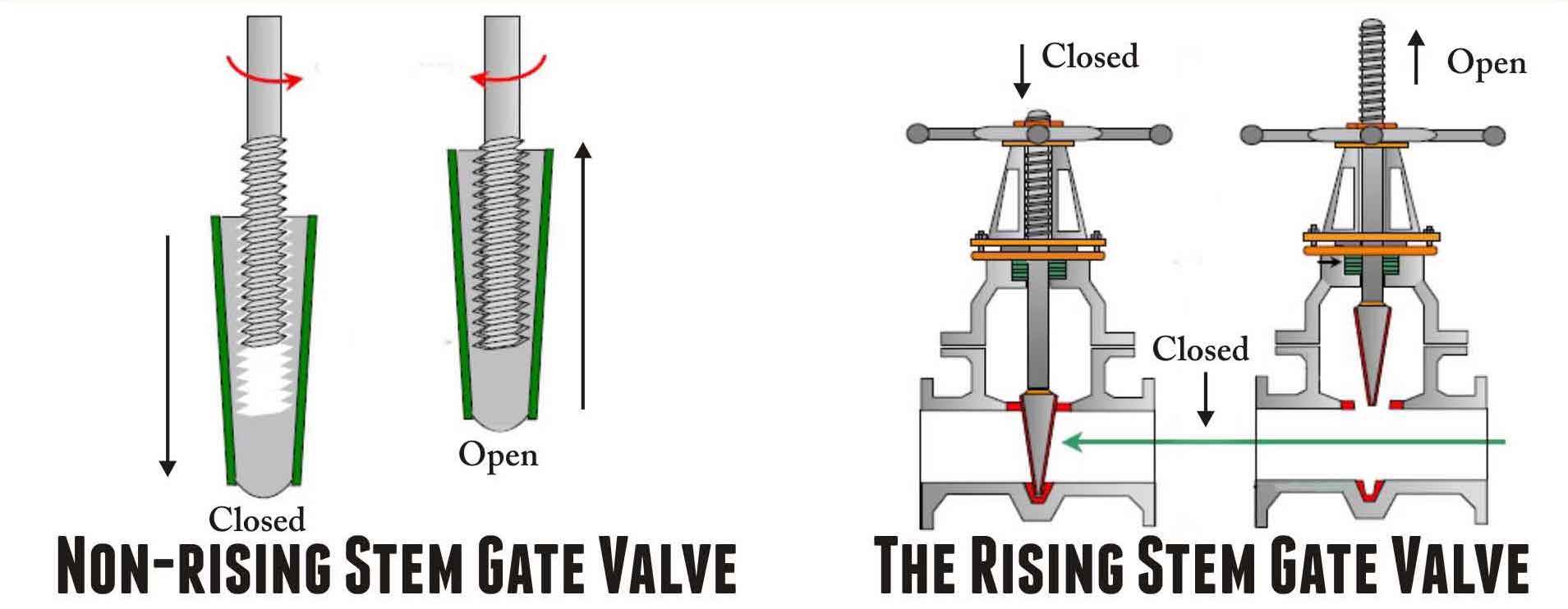
A gate valve controls flow using a wedge-shaped gate that moves vertically between two sealing seats.
When fully open, the gate lifts completely out of the flow path.
When fully closed, the gate presses tightly against the seats to block flow.
Because of this design, gate valves provide low pressure drop and reliable isolation. However, they are not suitable for throttling, and improper operation may damage internal sealing surfaces.
Common Causes of Gate Valve Leaking When Closed
1. Worn or Damaged Valve Seat
Continuous operation, high pressure, or long service life may cause erosion or scratches on the sealing seat. Once the surface becomes uneven, a tight seal cannot be achieved.
2. Debris or Foreign Particles
Sand, rust, scale, or pipeline debris may become trapped between the gate and seat. Even small particles can prevent full sealing.
3. Corrosion Inside the Valve
In underground or humid environments, internal corrosion may affect both the gate and seat surface, leading to internal leakage.
4. Improper Installation
Pipe misalignment or excessive stress on the valve body may distort sealing components, preventing proper closure.
5. Incomplete Closure
Sometimes the valve is not fully tightened. However, excessive force should also be avoided, as over-torquing can damage the stem or seating surface.
Internal vs External Leakage
It is important to determine whether the leakage is internal or external:
Internal leakage: Fluid passes through the valve even when fully closed (usually seat-related issues).
External leakage: Fluid leaks from the packing, bonnet, or flange connection (usually gasket or packing failure).
Correct diagnosis ensures proper repair.
How to Fix a Gate Valve That Leaks
Confirm the valve is fully closed without applying excessive force.
Open and close the valve several times to clear possible debris.
If leakage continues, isolate and disassemble the valve for inspection.
Check the gate surface, seat rings, and stem threads.
Replace worn components or the entire valve if damage is severe.
For fire protection systems, replacement is often recommended if reliability is compromised.
When to Replace Instead of Repair
Valve replacement should be considered when:
The valve has exceeded its service life.
Internal corrosion is extensive.
The seat surface cannot be repaired.
Leakage affects system pressure stability.
In critical applications such as fire hydrant or sprinkler systems, dependable shut-off performance is essential.
Preventive Maintenance Tips
Operate valves periodically to prevent sticking.
Flush pipelines before installation.
Install strainers in systems prone to debris.
Perform routine inspections and pressure tests.
Proper maintenance significantly reduces the risk of leakage.
Conclusion
A gate valve leaking when closed is typically caused by seat damage, debris, corrosion, or installation issues. Regular inspection, proper operation, and timely replacement ensure long-term system reliability, especially in fire protection applications.
For professional fire protection equipment and pipeline solutions:
CA-FIRE
🌐 Website: www.cafire-119.com
📧 Email: miki@ca-fire.com
📱 WhatsApp: +86 18160950625