

Fire Hydrant System Maintenance Checklist
Leave a message
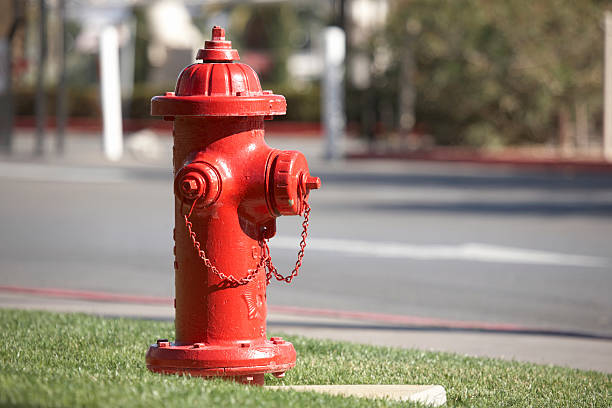
A fire hydrant system is a critical component of any fire protection infrastructure. Regular inspection and maintenance are essential to ensure the system operates reliably during emergencies, complies with local fire codes, and maintains adequate water supply and pressure. Below is a practical fire hydrant system maintenance checklist to help facility managers, contractors, and fire safety professionals keep systems in optimal condition.
1. Visual Inspection (Monthly / Quarterly)
Check hydrant body, bonnet, and flange for cracks, corrosion, or physical damage
Ensure hydrant caps and chains are intact and securely attached
Confirm hydrant is clearly visible and not obstructed by vegetation, vehicles, or structures
Verify color coding and markings comply with local fire authority requirements
Why it matters: Visible damage or obstruction can delay fire-fighting operations and reduce system effectiveness.
2. Operational Inspection
Fully open and close the hydrant valve to ensure smooth operation
Check for abnormal resistance, vibration, or noise during operation
Confirm hydrant drains properly after closing (for dry barrel hydrants)
Inspect valve stem and operating nut for wear or damage
Tip: Hydrants should be operated slowly to avoid water hammer and pipeline stress.
3. Leakage and Pressure Check
Inspect all outlets, caps, and flange connections for leaks
Check underground valves and joints for signs of seepage
Measure static and residual pressure to ensure compliance with system design requirements
Recommended: Record pressure data for trend analysis and future reference.
4. Flow Testing (Annually or as Required)
Conduct hydrant flow tests to verify available water flow and pressure
Compare test results with original design or previous records
Identify potential issues such as pipeline blockage, valve malfunction, or insufficient supply
Note: Flow testing should be performed by trained personnel following local standards (e.g. NFPA, EN, or local fire codes).
5. Mechanical and Internal Component Inspection
Inspect internal valve assembly, seals, and gaskets for wear or aging
Lubricate operating threads and moving parts with approved lubricant
Replace damaged or worn components promptly using compatible spare parts
Best practice: Use fire-rated and certified replacement parts only.
6. Winterization and Environmental Protection
Ensure proper drainage to prevent freezing in cold climates
Check barrel and drain ports before winter season
Apply protective coatings or repaint hydrant exterior if required
7. Documentation and Record Keeping
Maintain detailed inspection and maintenance records
Log inspection dates, test results, repairs, and component replacements
Keep records available for audits, insurance reviews, and fire authority inspections
Good records = better compliance and easier troubleshooting.
Conclusion
A well-maintained fire hydrant system is essential for effective emergency response and overall fire safety. By following this fire hydrant system maintenance checklist, you can extend service life, ensure regulatory compliance, and guarantee reliable performance when it matters most.
For professional fire hydrant products, technical support, or system components, always work with experienced fire protection manufacturers and suppliers.


