

Comprehensive Guide to Fire Protection Systems and Modern Fire Safety Technologies
Leave a message
Fire protection systems play a critical role in safeguarding lives, property, and industrial assets. With increasing urbanization and stricter safety regulations, modern fire protection solutions have evolved from basic equipment to highly integrated systems combining detection, suppression, and intelligent control. This article provides a comprehensive overview of fire protection technologies, system components, and industry trends, helping engineers, contractors, and buyers better understand the importance of reliable fire safety solutions.
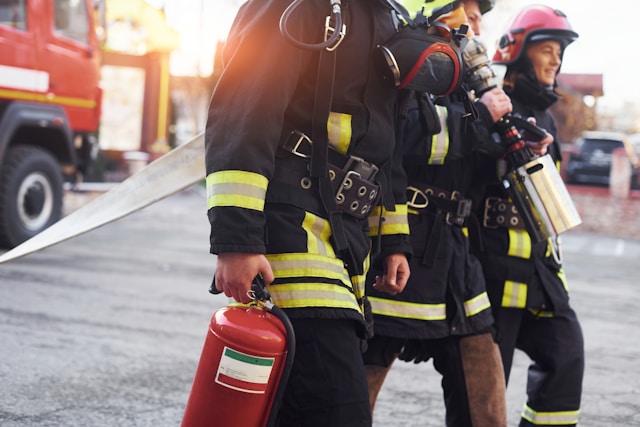
1. What Is a Fire Protection System?
A fire protection system is a combination of devices designed to detect, control, and extinguish fires. These systems are generally divided into three main categories:
Fire Detection Systems: Smoke detectors, heat detectors, and flame detectors
Fire Suppression Systems: Sprinkler systems, foam systems, gas suppression systems
Fire Alarm Systems: Audible and visual alarms to alert occupants
Modern systems often integrate all three components, ensuring rapid response and minimizing damage.
2. Key Components of Fire Protection Systems
2.1 Fire Sprinkler Systems
Automatic fire sprinkler systems are one of the most effective fire suppression methods. They activate when heat reaches a specific temperature, releasing water directly over the fire source.
Key features:
Fast response time
High reliability
Widely used in warehouses, commercial buildings, and industrial facilities
Certified sprinkler heads, such as FM-approved models, ensure consistent performance under strict standards.
2.2 Fire Hydrant Systems
Fire hydrants provide a reliable external water source for firefighting operations. They are commonly installed in urban areas, industrial zones, and large facilities.
Advantages:
Continuous water supply
Easy access for firefighters
Suitable for large-scale fires
2.3 Fire Valves and Pipeline Systems
Valves are essential for controlling water flow in fire protection systems. Common types include:
Gate valves
Butterfly valves
Check valves
Alarm valves
Proper valve selection ensures system stability and operational efficiency during emergencies.
2.4 Fire Monitors and Water Cannons
Fire monitors (water cannons) are used in high-risk environments such as oil depots, ports, and warehouses. They deliver large volumes of water or foam over long distances.
Benefits:
Remote or manual control
Wide coverage area
Suitable for industrial fire hazards
3. Importance of Certification Standards
International certifications guarantee the reliability and safety of fire protection equipment. The most recognized standards include:
FM (Factory Mutual) Approval
UL (Underwriters Laboratories) Certification
NFPA (National Fire Protection Association) Standards
Using certified products ensures compliance with global safety regulations and enhances system credibility in international markets.
4. Latest Trends in Fire Protection Industry
4.1 Smart Fire Protection Systems
With the rise of IoT technology, fire protection systems are becoming smarter. Real-time monitoring, remote control, and predictive maintenance are now possible.
4.2 Environmentally Friendly Suppression Agents
Traditional fire suppression chemicals are being replaced by eco-friendly alternatives that minimize environmental impact.
4.3 High-Efficiency Sprinkler Technology
Modern sprinkler heads are designed for faster response and optimized water distribution, improving fire suppression efficiency.
4.4 Integration with Building Management Systems (BMS)
Fire protection systems are increasingly integrated into centralized building control systems for better coordination and response.
5. How to Choose the Right Fire Protection Equipment
Selecting the right equipment depends on several factors:
Type of building or facility
Fire risk level
Local regulations and standards
System compatibility
It is recommended to work with experienced manufacturers and suppliers who provide certified products and technical support.
6. Maintenance and Inspection of Fire Protection Systems
Regular maintenance is essential to ensure system readiness. Key practices include:
Routine inspection of sprinkler heads and valves
Testing alarm systems
Checking water pressure and flow
Replacing damaged or outdated components
Proper maintenance not only ensures safety but also extends the lifespan of equipment.
7. Conclusion
Fire protection systems are a vital part of modern infrastructure. From sprinkler systems to intelligent monitoring solutions, the industry continues to evolve to meet higher safety demands. Choosing certified products, implementing advanced technologies, and maintaining systems regularly are essential steps in achieving effective fire safety.
About CA-FIRE / NONFIR
CA-FIRE specializes in manufacturing high-quality, certified fire protection equipment, including FM-approved sprinkler heads and fire system components under the NONFIR brand.
🌐 Website: www.nonfirsprinkler.com
📧 Email: info@nfsprinkler.com
📱 WhatsApp: +86 18160950625
For more information about our fire protection solutions, feel free to contact us.


