

Common Misconceptions and Identification of Fire Hydrant No-Parking Zones
Leave a message
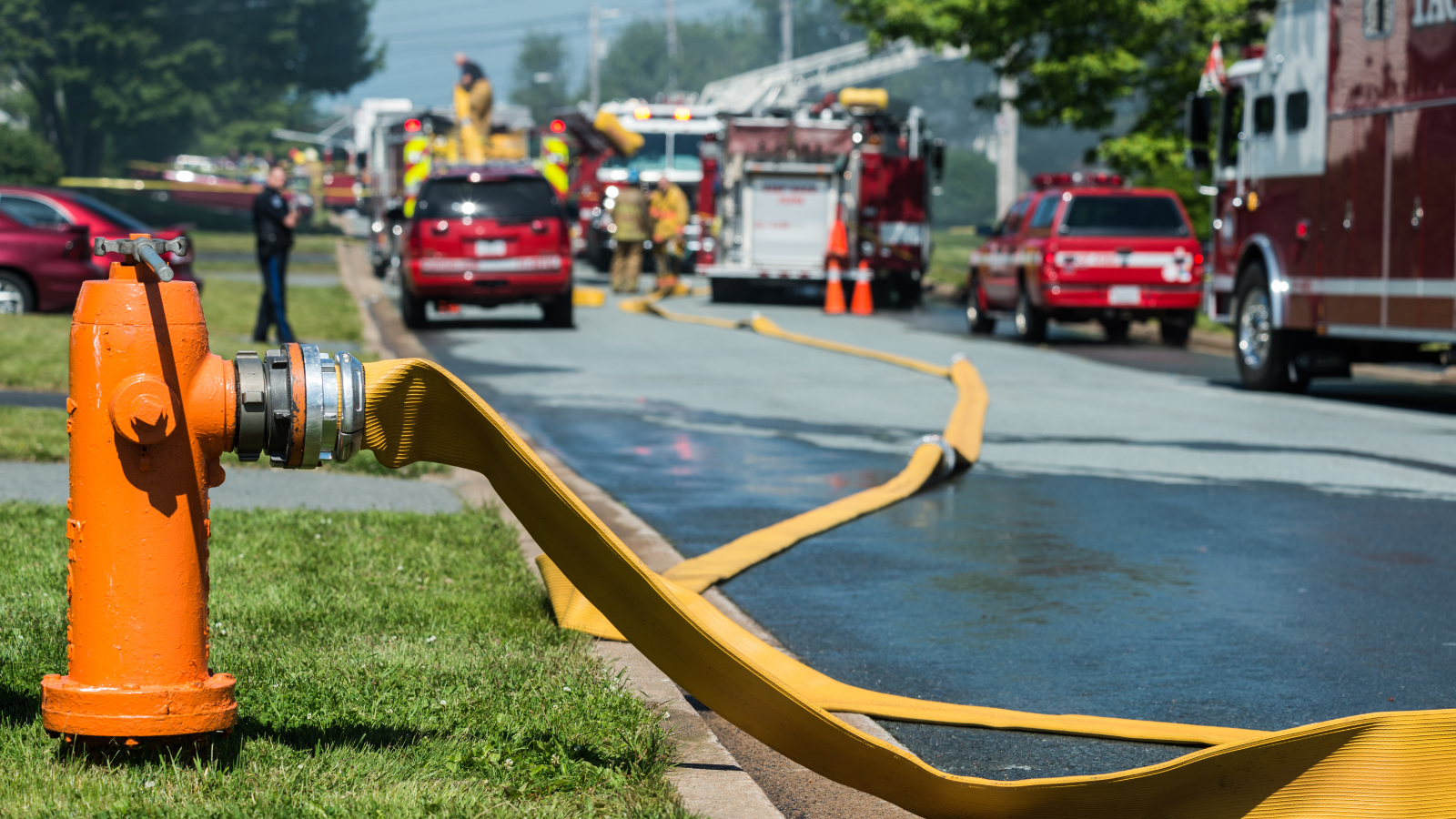
Many drivers unknowingly violate fire safety codes by parking too close to fire hydrants, often due to a lack of awareness regarding the mandatory exclusion zone. Understanding these rules is crucial to prevent penalties and, more importantly, to ensure public safety.
The primary legal requirement in many regions, including China, mandates a minimum $3$-meter clear distance around a fire hydrant.
Misconceptions to Avoid
"Temporary is Okay": The biggest mistake is assuming that a quick, temporary stop is acceptable. Any vehicle obstructing the access area, even for a few minutes, is considered an illegal blockage and warrants a fine.
Focusing Only on Obstruction: Some drivers believe they are safe as long as the vehicle doesn't touch the hydrant. However, the $3$-meter radius is required for firefighters to have enough room to stand, connect hoses quickly, and operate the main valve effectively during an emergency.
Ignoring Markings: Drivers sometimes overlook ground markings if a standard "No Parking" sign is absent.
How to Identify the Zone
To correctly identify the no-parking zone and avoid violations:
Know the $3$-Meter Rule: Always estimate a $3$-meter buffer (roughly one car length) from the hydrant in all directions.
Look for Curb/Ground Markings: Check for clearly defined yellow curb painting or yellow grid lines on the road surface, which explicitly mark the restricted zone.
Locate Signage: While not always present, look for any posted "Fire Hydrant" or "No Stopping/Standing" signs.
Remember: Maintaining this $3$-meter clearance is not just about avoiding a ticket; it is literally about saving lives and property by securing the fire department's rapid access to water.


