

AFFF Foam vs AR-AFFF Foam: What’s the Difference?
Leave a message
AFFF (Aqueous Film Forming Foam) and AR-AFFF (Alcohol-Resistant Aqueous Film Forming Foam) are two commonly used fire-fighting foam concentrates in industrial fire protection systems. Although both are designed for liquid fuel fire suppression, they differ significantly in terms of chemical resistance, application scope, and performance characteristics. Understanding these differences is essential for selecting the appropriate foam system for specific fire risks.

What Is AFFF Foam?
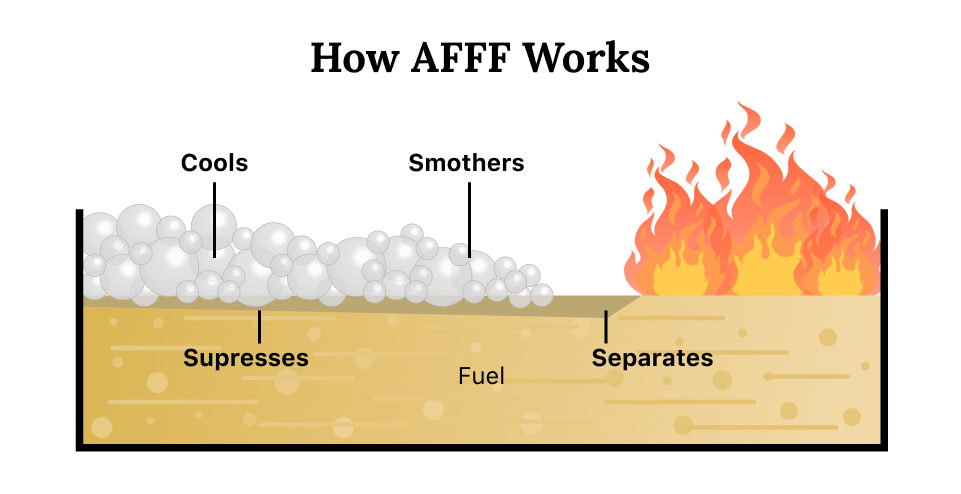
AFFF is a fire-fighting foam concentrate primarily designed for hydrocarbon fuel fires such as gasoline, diesel, kerosene, and jet fuel. It works by forming a thin aqueous film on the surface of flammable liquids, which helps suppress vapor release and quickly extinguish the fire.
Key Characteristics
Forms an aqueous film over hydrocarbon fuels
Rapid fire knockdown capability
Effective cooling and oxygen separation
Suitable for non-polar flammable liquids
Typical Applications
Fuel storage facilities
Oil refineries
Airports and aviation fuel systems
Industrial hydrocarbon processing areas
Advantages
Fast fire suppression performance
Stable and reliable for hydrocarbon fires
Widely used in traditional fuel fire protection systems
Limitation
Not suitable for polar solvent fires such as alcohols or ketones
What Is AR-AFFF Foam?
AR-AFFF is an advanced type of foam concentrate designed to provide protection against both hydrocarbon fuels and polar solvent fuels. It contains a polymer-based component that creates a protective barrier, preventing fuel destruction of the foam blanket.
Key Characteristics
Resistant to alcohols, ketones, and polar solvents
Forms a polymer membrane on fuel surface
Suitable for mixed fire risk environments
Higher chemical stability compared to standard AFFF
Typical Applications
Chemical processing plants
Pharmaceutical production facilities
Alcohol and solvent storage areas
High-risk industrial environments
Advantages
Effective on both hydrocarbon and polar solvent fires
Enhanced fire barrier performance
Broader application range
Limitation
Higher cost compared to standard AFFF
More complex formulation and handling requirements
AFFF vs AR-AFFF: Key Differences
| Feature | AFFF Foam | AR-AFFF Foam |
|---|---|---|
| Fire Type | Hydrocarbon fuels | Hydrocarbon and polar solvents |
| Alcohol Resistance | No | Yes |
| Mechanism | Aqueous film formation | Polymer-enhanced film barrier |
| Application Scope | Standard fuel fire protection | Chemical and mixed-risk environments |
| Cost | Lower | Higher |
| Performance Range | Limited | Broader |
How to Choose Between AFFF and AR-AFFF
The selection between AFFF and AR-AFFF should be based on the type of fire risk present in the facility.
AFFF is suitable for:
Facilities handling only hydrocarbon fuels
Airports, fuel depots, and oil storage areas
Cost-sensitive fire protection systems
AR-AFFF is suitable for:
Facilities handling alcohols or chemical solvents
Industrial plants with mixed fire hazards
High safety requirement environments
Industry Application Insight
In modern industrial fire protection design, AR-AFFF is increasingly used in chemical and high-risk facilities due to its ability to handle a wider range of flammable liquids. However, AFFF remains widely adopted in conventional fuel storage and aviation applications due to its cost efficiency and fast suppression performance.
As a professional fire protection manufacturer, CA-FIRE provides foam system solutions designed for different industrial risk levels, ensuring reliable performance across a wide range of fire protection applications.
Conclusion
AFFF and AR-AFFF foams are both essential components in fire suppression systems, but they are designed for different fire hazards. AFFF is suitable for hydrocarbon-based fires, while AR-AFFF is required for environments involving alcohols and polar solvents. Proper selection of foam type is critical to ensuring effective fire protection and system reliability.


