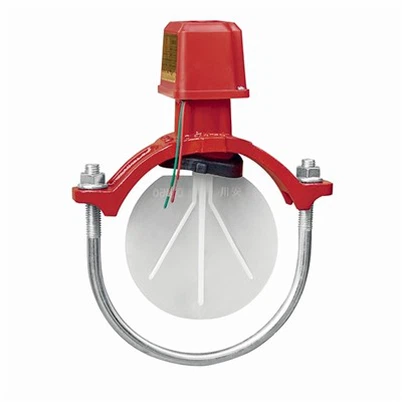
Pressure loss is a key factor in the design and performance of fire protection systems. It refers to the reduction of water pressure as it flows through pipes, valves, fittings, and other components in the system.
In fire fighting applications, maintaining sufficient pressure is critical to ensure that water can reach all sprinkler heads, hydrants, and terminals effectively during an emergency. Excessive pressure loss may result in weak discharge, delayed response, or insufficient fire suppression.
Several factors can influence pressure loss in fire pipelines, including pipe length, pipe diameter, flow rate, valve type, and the number of fittings such as elbows, tees, and check valves. Smaller pipe diameters and complex pipeline layouts generally increase resistance and lead to higher pressure loss.
To minimize pressure loss, proper hydraulic design is essential. Engineers typically optimize pipe sizing, reduce unnecessary fittings, and select low-resistance components such as grooved valves and streamlined fittings. Regular system maintenance also helps ensure that internal scaling or blockage does not affect flow performance.
Understanding pressure loss is essential for ensuring the reliability and efficiency of fire protection systems in commercial, industrial, and municipal applications.
Fire System Zoning Design Concept
Fire system zoning is a fundamental design approach used in modern fire protection engineering. It involves dividing a building or facility into multiple independent fire protection zones, each controlled separately to improve system efficiency, safety, and response speed.
In a zoned fire protection system, each area is supplied by its own branch of piping, control valves, and detection or activation devices. This allows firefighters or building operators to isolate a specific zone during maintenance or in case of a fire event, without affecting the entire system.
Zoning design is especially important in large-scale buildings such as warehouses, commercial complexes, industrial plants, and high-rise structures. By segmenting the system, water distribution becomes more balanced, pressure loss is reduced, and fire suppression response is faster and more targeted.
Proper zoning also improves maintenance efficiency. Faults or leaks can be quickly located and isolated, minimizing downtime and reducing risk to the rest of the system.
Overall, fire system zoning design enhances reliability, control, and performance, making it a key principle in effective fire protection system planning.
Flow Control in Fire Fighting Systems
Flow control is a critical function in fire fighting systems that ensures the correct and stable delivery of water or extinguishing agents during fire emergencies. It helps regulate pressure and flow rate within pipelines so that fire sprinklers, hydrants, and nozzles can operate effectively.
In a typical fire protection network, flow control is achieved through valves, pressure regulators, alarm valves, and control devices installed at different points of the system. These components help maintain balanced distribution, preventing excessive flow in one area while ensuring adequate supply to all active zones.
Proper flow control is especially important in large or complex systems, such as industrial plants, warehouses, and high-rise buildings. Without it, uneven pressure may lead to reduced sprinkler performance or delayed fire suppression response.
Additionally, flow control devices assist in system monitoring and testing. They allow engineers to simulate working conditions, detect abnormal flow changes, and ensure the system is ready for emergency operation.
In summary, effective flow control improves system reliability, enhances fire suppression efficiency, and ensures safe operation across all components of a fire protection system.