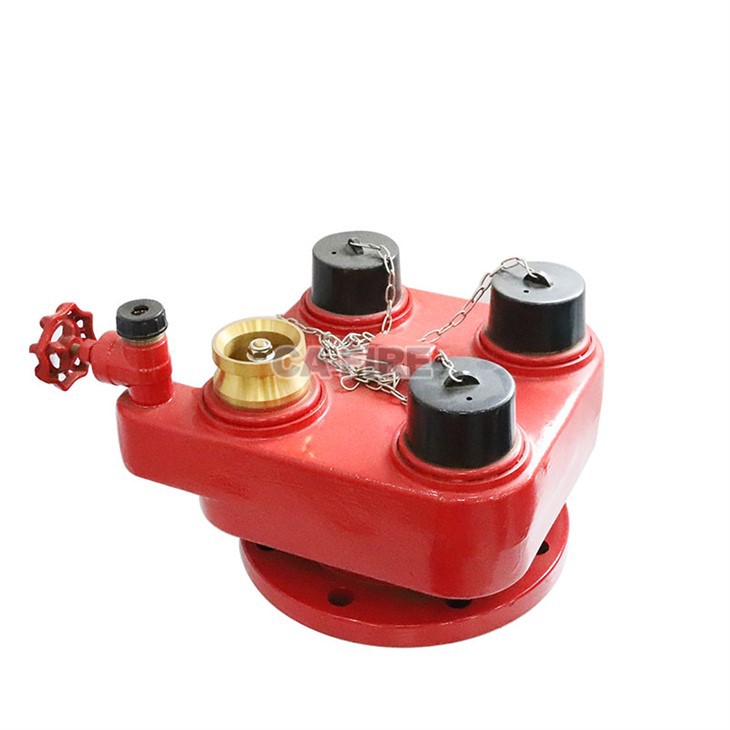


When designing a fire hydrant manifold system, proper configuration is essential to ensure stable performance and efficient emergency response. The selection of inlet size and outlet arrangement should match the expected water demand of the building or facility. For example, a DN100 inlet with DN65 outlets is commonly used in medium and large-scale fire protection systems to support multiple simultaneous hose connections.
Material selection is also an important factor in system design. Components must withstand high water pressure, frequent use, and long-term exposure to moisture. Durable materials help maintain system integrity and reduce maintenance requirements over time, especially in industrial and commercial environments.
In addition, installation layout should be carefully planned to ensure easy access for firefighters during emergencies. The manifold should be positioned in a visible and reachable location, allowing quick connection and operation. Proper spacing between outlets also helps avoid hose interference and improves operational efficiency.
Overall, a well-designed fire hydrant manifold system enhances water distribution performance, improves response speed, and ensures higher safety reliability in critical situations.